How Handmade Wooden Toys Differ from Mass-Produced Toys
Walk into a toy store and the wooden toys on display look much alike, yet they can be very different underneath. This article looks at materials, finishing, touch and design flexibility to explain how handmade and mass-produced toys differ, and offers pointers for spotting quality and caring for them day to day.
By: BrainWood Academy Editorial Team Published About 7 min read
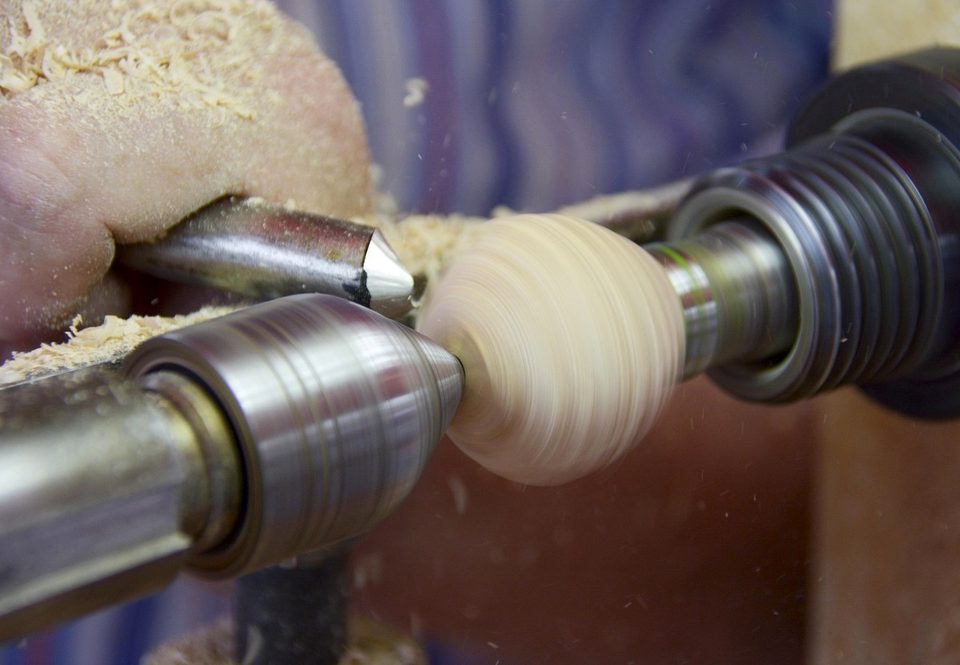
The Difference Starts with the Wood
What sets a handmade wooden toy apart is often decided before the first cut. We start by examining the species, grain direction and moisture content of the wood, and only then decide which kind of learning tool it is best suited to become. Dense hardwoods stand up to puzzles and puzzle boxes that are taken apart and reassembled again and again, while lighter woods suit small toys that are held for long stretches. This kind of selection has to be judged piece by piece, and no single standard specification can replace it.
To keep costs down and shipments steady, mass-produced toys often use standardized boards, such as particleboard or fiberboard pressed from wood scraps. These materials are cheaper and uniform in size, but they lack the depth of natural grain and are more prone to swelling and chipped edges after exposure to moisture or knocks. For learning tools meant to last, the structural stability of the material directly affects whether a toy keeps its original precision.
How dry the wood is matters just as much. Wood with too much moisture can warp after machining, leaving puzzle edges that don't fit together and puzzle-box slides that jam. When we work by hand, we let the wood rest and check its condition before cutting, and discard any unstable sections if necessary. This step may seem tedious, but it keeps the finished piece working smoothly in every season and environment.
The Details of Sanding and Finishing Edges
Sanding is the step most easily overlooked, yet it has the greatest effect on safety. Children grab toys with their hands and put them in their mouths, so any splinter or sharp corner can cause discomfort. When making toys by hand, we work through the surface with sandpaper from coarse to fine grit and check every face with our fingers until it feels perfectly smooth. Judging by touch like this catches tiny flaws that machines tend to miss.
Corners and edges get the same attention. Mass-produced items are often chamfered quickly to one standard specification, and sharp ridges can still remain at the corners. When we finish edges by hand, we adjust the curve of each one to the size and purpose of the part. Small pieces need softer, rounder edges to reduce the risk of swallowing, while larger boards must stay distinct enough for children to tell the shapes apart clearly.
Joints and holes are details too. Whether a puzzle's pieces fit neither too tightly nor too loosely, and whether the latches on a puzzle box move smoothly, depends on the precision of the machining and on the fine-tuning that follows. Working by hand lets us test each piece after assembly and sand it down once more if needed. This back-and-forth adjustment means children don't have to struggle when they play, and don't lose patience over a sticking part.
The Value of Hand-Feel and Tactile Stimulation
What wood gives children is more than its appearance; it is a rich, multi-layered tactile experience. The grain, warmth and weight of natural wood vary with the species and the way it is worked. As children grip, push and fit pieces together, their fingers pick up subtle differences, and this feedback helps them build an understanding of materials and shapes. By comparison, materials that are overly smooth or uniform in texture offer relatively limited stimulation.
The surface treatment of handmade wooden toys usually preserves the natural feel of the wood rather than covering it completely with a thick coating. This lets children feel the ridges and warmth of the grain directly, and over years of use the toy gradually develops a distinctive sheen. For young children, a steady, authentic sense of touch helps them focus on the object in their hands and makes play feel more engaging.
Weight and balance are part of touch as well. A block of moderate thickness feels solid in the hand, and children naturally adjust their force and movements as they stack and line up pieces. These small adjustments are the foundation of hand-eye coordination and fine motor practice. Choosing learning tools with a substantial feel gives a child a richer sensory environment for everyday exploration.
- Raised grain gives fine, detailed tactile feedback
- A warm texture makes young children more willing to hold it for longer
- A moderate weight helps children practice controlling their force
- The natural wood is left as it is, and it gains more luster the longer it is used
Small-Batch Adjustments and Design Flexibility
Mass-produced toys aim for consistent specifications and controlled costs, so once the molds, dimensions and colors are fixed, they are hard to change for any individual need. Handmade, small-batch production is different. During prototyping we can make test versions again and again: if a child's fingers can't get a firm grip, we adjust the curve of the edges; if the pieces jam too easily, we fine-tune the tolerances. This room for revision is where real design flexibility comes from.
For learning tools, this flexibility is especially important. The same puzzle box may need larger parts and fewer steps for a kindergarten class, while upper-grade elementary students may want added layers of reasoning. Small-batch production lets us adjust the difficulty, size and quantity to the age group, curriculum goals and number of users, instead of making people settle for an off-the-shelf standard product.
Of course, flexibility doesn't mean doing whatever we like. Every change should be checked against how children actually use the toy, including whether the parts could be swallowed, whether the structure is sturdy, and whether the way to play is clear. We make a prototype first, then revise it based on where children get stuck during test play, until they can work out the solution on their own. This design process takes far more effort than simply chasing good looks, but it brings the toy truly in line with learning needs.
How to Recognize Real Handmade Quality
Wooden toys on the market look much alike, and it is hard to judge quality by eye alone, but a few things to check will reveal how much care went into them. We suggest turning the toy over in your hands and actually trying it out, rather than relying only on packaging photos. Real handmade quality usually hides in unremarkable corners, such as the inside of holes, the seams between pieces and the finish on the underside.
Beyond appearance, pay attention to whether the maker is willing to explain clearly what the toy is made of and how it is finished. A brand that can say specifically which wood species, which type of finish and which production methods it uses usually has a good grasp of the details; if it relies only on vague words like "natural" or "eco-friendly," it is worth asking a follow-up question. For toddler toys that may go into the mouth, this transparency matters far more than flashy packaging.
Use the points below as a quick checklist when you shop, and tick them off one by one.
- Is the surface smooth? Run a fingertip along the edges and inside the holes; nothing should scratch.
- Do the joints fit snugly? Parts should go together with a comfortable fit, without forcing or hammering.
- Do the grain and color look natural, rather than hidden under a thick coating?
- Are the material and finish clearly labeled, along with the recommended age?
- Is the structure solid? There should be no rattling when you shake or tap it gently.
Care and Long-Term Use
How long a wooden toy lasts depends half on how it is made and half on how it is looked after. Wood is a material that breathes and reacts to changes in humidity and temperature, so toys left in damp or sunny spots can warp, grow mold or crack. Store them somewhere ventilated, dry and out of direct sunlight; it is the simplest and most effective form of care.
To clean, simply wipe with a slightly damp soft cloth. We do not recommend soaking the whole toy in water or using strong cleaners or disinfectants, which can damage the surface and finish. For stains, treat the spot gently, then dry it with a cloth and let it air-dry in a ventilated place. Checking parts for cracks, rough edges or loose pieces before and after play also helps catch safety concerns early.
If a wooden toy develops a slightly rough spot, sand it lightly along the grain with fine sandpaper, then wipe away the dust. This kind of simple upkeep lets a toy stay with a child for longer and be passed on to younger siblings or the next group of students. When children treat a toy as something to take care of, they also learn appreciation and responsibility along the way, an added value that mass-produced disposable toys rarely offer.
Key takeaways
-
Materials and Process What sets handmade wooden toys apart begins with the choice of wood and carries through sanding and edge finishing. These details determine safety, feel and durability.
-
Design Flexibility Small-batch production lets us adjust size, difficulty and quantity to the age group and lesson goals, so the toys fit real learning needs.
-
Spotting Quality and Caring for It Handle it, play with it, and ask about the material and finish. Add dry, ventilated storage and gentle cleaning, and a toy will last for years.
This article is for general information only and does not constitute professional advice.