Educational Wooden Jigsaws: Learning Design from Pictures to Concepts
A wooden puzzle can teach far more than the finished picture. From the choice of image to the cut lines and the order of handling, every design decision corresponds to a cognitive goal. This article first looks at the essence of a puzzle, then at how shapes and themes guide learning.
By: BrainWood Academy Editorial Team Published About 9 min read
A Puzzle Is More Than Assembling a Picture
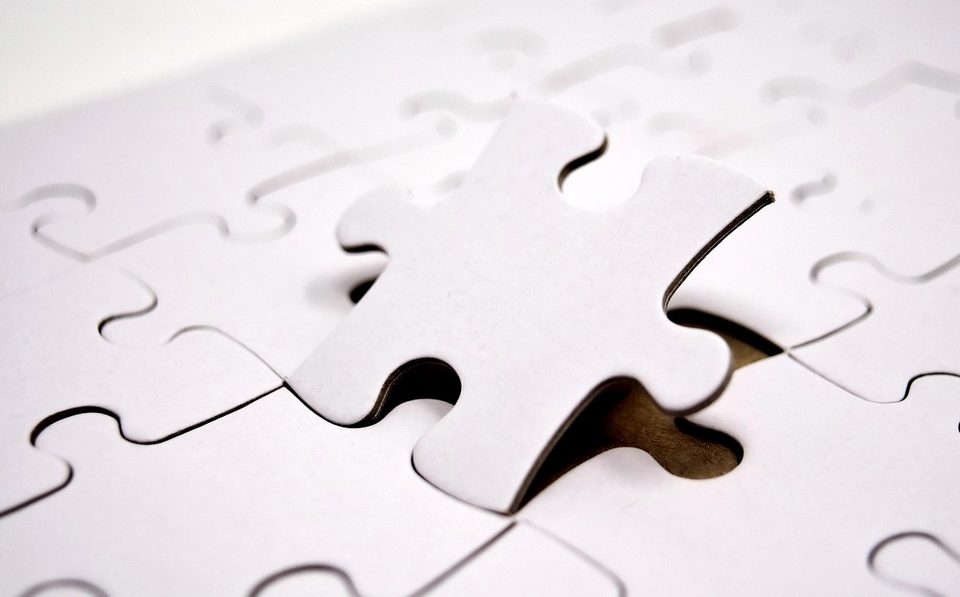
Most people look at a puzzle and focus on the finished picture, as if completing it were the end point of learning. For a child, though, the real learning happens in the whole process of picking up a wooden piece, turning it, trying it in a spot, and taking it back out. The picture is only the result; the comparing, guessing, and correcting along the way are the core of cognitive training. The starting point for designing an educational puzzle is to value that process more than the finished product.
So when we develop learning tools, we don't first draw a pretty picture and then casually cut it into pieces. We start by asking: what do we want children to practice with this puzzle? Recognizing outlines, understanding the relationship between parts and the whole, or learning the features of a certain kind of thing? Once the goal is set, the complexity of the image, the color contrast, and the thickness and number of the pieces are adjusted accordingly. With a different goal, the same picture would be cut in an entirely different way.
The wood itself plays a part. Wooden pieces have weight and thickness, so a child has to grip them, turn them and line them up with the recess, and that tactile, physical feedback is harder for a flat paper puzzle to provide. The slight click as each piece seats tells the child right away whether it is correct, with no adult needed to say right or wrong. This instant, quiet feedback is a natural advantage of wooden teaching tools.
How Cut Shapes Guide Observation
Cut lines are never drawn at random; they determine how a child will go about observing. If a picture is cut into regular squares, the child can only rely on the image content to work out where a piece goes, so attention naturally falls on color and detail. If the cuts follow the outline of an object, for example separating an animal into head, body and limbs, the child begins to notice the shape of each part and to understand how the parts add up to a whole.
The shape of the edges is a hint as well. In some puzzles every piece has a unique outline, so children can match the bumps and notches; in others the edges are deliberately similar, which forces children back to the picture itself for clues. The former trains shape recognition and spatial matching, while the latter trains careful reading of the image. Depending on age and goals, a designer can decide which kind of clue appears first and which comes later.
We also pay attention to whether each individual piece carries meaning on its own. When a piece is a complete conceptual unit, such as a leaf or a wheel, the child can hold it and say what it is, linking language and shape together. Conversely, if a cut runs through the middle of an object's key feature, the child can still force the piece in by matching edges but misses the chance to recognize the part. Where the cuts fall is really a way of arranging the order in which a child observes.
- Regular squares: guide children to judge position by color and pattern detail
- Outline cuts: help children learn the shape of each part and how the parts relate to the whole
- Unique edges: train spatial matching through shape comparison
- Similar edges: push children back to the image content to find clues
Theme Design and Connecting Categories
The pictures on an educational puzzle should ideally carry a clear theme rather than serve merely as decoration. When a set of puzzles revolves around one kind of thing, such as fruit, vehicles or sea creatures, children meet the shared features of that group through repeated play. This repeated but never dull exposure is the foundation for building the concept of categories. Gradually children discover that some things resemble one another and can be grouped together.
We can go a step further and set different puzzles against one another. Compare creatures that fly with creatures that swim, or place land animals beside water animals, and once the puzzle is finished children naturally start to compare and sort. The back of the wooden pieces can be put to good use too, for instance with different markings for each category, so that children sort them again when tidying up. When play and tidying are combined, the concept extends from the picture into daily habits.
Theme design also has to take children's existing experience into account. When the pictures relate to things children have seen and touched in daily life, they feel more familiar with them and are more willing to talk about them. By contrast, subjects that are too unfamiliar or abstract can leave children focused only on fitting pieces together, with no link to meaning. A good theme takes one gentle step beyond the edge of the child's familiar world, giving the new concept a place to settle.
A Difficulty Ladder from Large Pieces to Small
The starting point of a puzzle's difficulty ladder is the number and size of the pieces. For younger children or those new to puzzles, we lean toward designs with few, large pieces that fit entirely in the palm, with thick edges, making the pieces easy to hold without dropping them. The goal at this stage is not to test patience but to let children first experience the satisfaction of finishing and build trust in this kind of activity. If a child meets too many small fragments right away, they often remember only the frustration rather than the joy of observing and matching.
From there, difficulty can be raised gradually in several directions, not just by adding more pieces. How recognizable the picture is, how many clues exist between pieces, and whether the base board has an outline hint can all serve as dials to adjust. If the same picture is first offered with a fully recessed base board and then with a frame-only board, children must work out positions on their own, and their thinking shifts from matching to reasoning. This gradual design fits the rhythm of learning better than simply breaking things into more fragments.
When designing the ladder, we also take care that the gap between levels is not too large. The ideal is that a child has mastered the current level yet quietly feels the next one looks like something worth trying. If the jump is too fast, children tend to fall back on random trial and error; if they stay too long, the novelty fades. So when an educational puzzle offers several versions from large pieces to small, adults can switch to the right set at any time according to the child's current state.
Guiding Questions Matter More Than Giving Answers
Much of a puzzle's value depends on what the adult nearby asks. When a child is stuck, the most direct move is to point to the right spot and say put it here, but that does the thinking for the child. It is more helpful to direct attention to clues, for example by asking whether the edge of this piece is straight or curved, or which part of the picture its color is closest to. In answering, the child organizes the basis for their own judgment.
Timing matters for questions too. When a child is concentrating on an attempt, there is no need to interrupt; quiet company is itself a form of support. When they are clearly stuck and growing frustrated, a small question to shift their angle is enough. Questions should be short and specific, and it is best not to throw out several at once, leaving the child unable to respond. If the child finds the answer alone, don't rush to judge it right or wrong; ask them to explain how they thought of it, which strengthens their thinking habits more than praise like how clever.
The conversation can continue after the puzzle is finished. We suggest that adults invite the child to describe what they just saw, and to say which piece was the hardest and which one they recognized at a glance. This kind of review turns hands-on experience into language, so that observation, classification and spatial concepts stay in the mind instead of ending when the last piece goes in. This is exactly what sets an educational puzzle apart from an ordinary recreational one: it leaves room for conversation to grow.
- Ask "What does the edge of this piece look like?" instead of pointing to where it goes
- Ask only one specific, small question at a time
- When a child succeeds, ask them to explain their thinking rather than offering praise alone
- After finishing, look back at which clues were the most useful
Using Puzzles in the Classroom and at Home
The same wooden puzzle is actually used quite differently in the classroom and at home. In class, several children work at once, and the teacher usually focuses on guiding discussion and keeping track of each child's progress. A group can share one puzzle, taking turns to offer ideas and explain to one another why a certain piece belongs in a certain place. This kind of collaboration naturally allows children to practice speaking and listening, and it lets teachers see how different children think.
At home, the pace is freer and more tailored to the individual child. Adults can match the session to the child's energy that day, deciding how long to play and which difficulty level to choose. When parent and child work together, there is no need to chase speed or completion; what matters is the time spent together. If a child wants to repeat the same puzzle, there is no need to push on, because repetition itself strengthens observation and memory, and moving up once it feels familiar is the steadier path.
Wherever the puzzle is used, how it is stored and prepared affects the quality of play. Wooden puzzles are durable and well suited to long-term, repeated use, but we still recommend counting the pieces after each session and returning them to their original box or base board so none go missing. Teachers can sort puzzles by difficulty in advance, and parents can choose one fixed corner for them. When taking a puzzle out and putting it away are both easy, children are more likely to pick one up on their own and make it part of daily life.
Key takeaways
-
Raise difficulty step by step Adjusting piece size, the number of clues and the hints on the base board fits a child's learning pace better than simply adding more pieces.
-
Ask questions instead of giving answers Specific, small questions guide children to notice clues, and asking them to explain their thinking afterward turns hands-on play into real thought.
-
Adapt the approach to the setting The classroom emphasizes discussion and collaboration, while home emphasizes companionship and a free pace. Both need puzzles that are easy to take out and easy to put away.
This article is for general information only and does not constitute professional advice.