Safe, Non-Toxic Toy Materials: Choosing Wood and Finishes for Wooden Toys
Wood looks natural, but that doesn't mean every wooden toy is safe. Wood species, finishes, adhesives, hardware and surface treatment are all linked, and a lapse in any one of them can affect a young child's safety.
By: BrainWood Academy Editorial Team Published About 7 min read
Comparing Common Wood Species
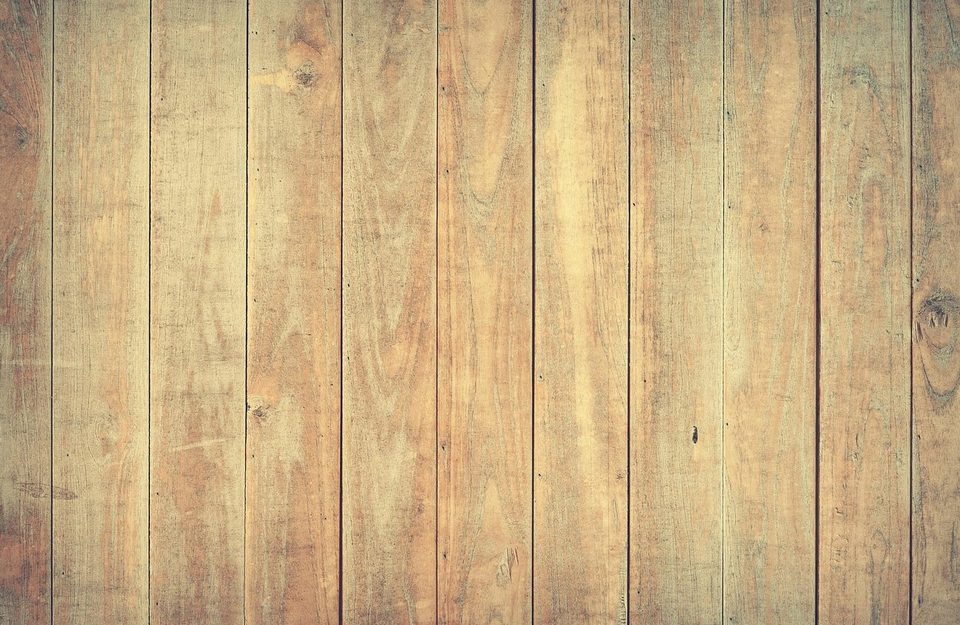
The first step in choosing a wood for toys is checking whether its grain is dense. Harder hardwoods such as beech, maple and birch have fine, tight fibers, resist splintering, and are unlikely to crack into sharp fragments on impact, which makes them common choices for toddler toys. Their surfaces can be sanded very smooth, so even if a child puts a puzzle piece in their mouth and chews on it, they're less likely to get a splinter. When we design learning tools, we take the hardness and grain of the wood into account first.
Softwoods such as pine and fir, by contrast, are softer, light and affordable, and suit large blocks or storage boxes. However, soft wood dents easily under a fingernail, its edges wear down faster, and rough edges may appear after long use. Some softwoods also contain noticeable resin and volatile oils with a strong smell, which, if not handled properly, can make sensitive children uncomfortable. When using softwood, sanding and sealing become especially important.
In addition, engineered boards such as plywood and fiberboard often turn up in low-priced toys. They are pressed from layers of thin veneer or wood fibers with glue, so the type and amount of glue directly affect safety, and the edges tend to delaminate and peel. If a toy will be mouthed for long periods, we prefer solid wood or clearly labeled quality plywood. When buying, you can run a finger over the cut edge to check that it's even, and sniff for any sharp chemical smell as a first check.
Safety Considerations for Paints and Dyes
Finish is the second checkpoint for wooden toy safety. Young children's hands touch toys constantly, and so do their mouths, so the surface coating must withstand saliva and sweat without leaching harmful substances. Water-based finishes use water as the thinner, contain low levels of volatile organic solvents and have a milder smell, making them a common choice for children's toys. Choosing this type of finish lowers the chance of a child breathing in sharp fumes while playing.
Dyeing deserves just as much care. Bright colors attract children and make it easier to tell shapes and categories apart, but the colorants must meet the standards for children's products. We give priority to food-grade pigments or tested water-based dyes, and we avoid traditional pigments that contain heavy metals. After coloring, we also check that the color does not fade when wet or after being chewed, and does not stain fingers, which is a simple way to test whether the dye is firmly set.
Another approach is to skip the color and protect the surface with natural beeswax or food-grade vegetable oil. This kind of treatment preserves the wood's natural grain and feel, and removes any worry about layers of coating peeling off. The drawback is weaker water resistance and wear resistance, so regular re-treatment is needed. Whichever surface finish you choose, what matters is transparent ingredients, a complete process, and letting the coating dry and cure fully before the toy reaches a child's hands.
Checking Adhesives and Hardware
The structure of wooden toys often relies on adhesives and hardware, and these unseen details matter for safety as well. Traditional white wood glue is water-based and has low toxicity, making it suitable for joining wooden blocks; but industrial glues containing formaldehyde or strong solvents can release residual odors and substances. When choosing an adhesive, we look for water resistance, no irritating odor and stability once cured, and we allow plenty of time after assembly for the glue to dry completely.
Hardware is another area that calls for close inspection. On wooden puzzle boxes, hinges, latches and screws with a rough finish can scratch small hands or rust and stain the wood. Metal parts should be smooth, free of burrs and firmly fixed, so they won't work loose through repeated opening and closing. For toddler-stage toys, wherever a wooden dowel can replace metal, we use the dowel, which reduces exposed hardware and makes the overall feel more consistent.
For everyday checks, you can use the points below as a quick checklist, once before bringing a toy home and again after it has been used for a while. These steps need no special tools; careful observation and touch are enough to catch potential problems early and keep children from unknowingly coming into contact with hazardous parts.
- Cut surfaces and edges are smooth, with no splinters or cracks
- No gaps at the joints, no glue seeping out, and no layers peeling apart
- Screws, hinges and other metal parts are secure and free of rust
- No sharp chemical or solvent smell when you sniff it
Small Parts and Choking Risks
Young children put toys in their mouths, which is a normal way of exploring the world, so the risk from small parts has to be dealt with at the design stage. The basic principle is straightforward: any part small enough to fit entirely inside a child's mouth could be swallowed or block the airway. Toy safety regulations in many countries test for this with a dedicated small-parts cylinder, and we apply the same thinking when we design.
With wooden toys, the concern is not only parts that are separate to begin with, but also parts that could come off. Wheel axles, small handles on puzzle pieces, and the latches and catches on puzzle boxes can all turn into loose fragments if the glue is weak or the wood cracks. So at the design stage we treat these details as just as important to check as the main body, rather than reinforcing them as an afterthought.
Age grading should also be taken seriously. Fine puzzle pieces or miniature components meant for older children are not suitable for sharing a room with toddlers, and they are especially easy to mix up when siblings of different ages live in the same home. We recommend storing them in separate zones, keeping learning materials with small parts apart, and having an adult nearby while children play, which does more to reduce the chance of accidents than any label.
Reading Labels and Testing Information
Labeling on the market is not always complete, but it is still the first clue to safety. Before buying, check whether the packaging or instructions clearly state the recommended age, warnings, the contact details of the manufacturer or importer, and a description of the materials used. A product with vague information, or one that doesn't even list a recommended age, deserves extra caution.
If a product claims to meet a toy safety standard or to have passed testing, it is worth confirming which standard it is and who did the testing, rather than being reassured by adjectives like "safe" or "non-toxic." Adjectives are not test results. A maker that can provide test reports or related documentation usually has a good grasp of its own materials and processes, which is a signal worth considering.
Our approach is to organize material sources, finishing methods and recommended ages into information that can be verified, so parents and teachers have something to rely on when choosing learning materials. In the same way, when you shop for any wooden toy, you can ask about these details yourself. A maker willing to answer frankly is often more trustworthy than one that only talks up appearance and price.
- Recommended age and warnings are clearly marked
- Manufacturer or importer contact details are complete
- The name of the safety standard and the testing body are clearly stated
- Materials and coatings are described specifically, not just with adjectives
Everyday Cleaning and What to Do When a Toy Is Damaged
For everyday cleaning of wooden toys, the rule is to be gentle, use little water, and dry quickly. Wood that absorbs water easily swells, warps and even molds, so we don't recommend soaking a whole toy or leaving it wet for long. Normally, wiping the surface with a slightly damp soft cloth and then letting it air-dry in a ventilated spot cleans the toy while protecting the coating.
When disinfection is needed, avoid overly strong chemical cleaners as well, since they can damage the coating and may leave residue on surfaces young children chew on. In classrooms or family spaces with shared learning materials, we suggest setting up a regular wiping and drying routine, and avoiding leaving toys for long in damp spots or in direct sunlight, to reduce cracking and fading of the wood.
If a toy develops cracks, splinters, peeling coating, loose joints or missing parts, stop using it immediately and collect every piece so that children cannot pick them up. Minor rough edges can be smoothed with fine sandpaper once you are sure it is safe to do so, but we do not recommend trying to repair structural damage yourself. Rather than take a risk by continuing to use it, replace it, so that every learning tool in your child's hands stays in a safe condition.
Key takeaways
-
Small parts Any part that fits entirely inside a young child's mouth is a choking hazard. Also check pegs and handles that could come loose, and store items by age group.
-
Labeling When buying, check the recommended age, warnings and testing information, and tell specific standards and testing bodies apart from vague adjectives.
-
Cleaning and damage Clean gently with a slightly damp soft cloth and let it air-dry. If you find cracks, splinters or peeling coating, stop using the toy at once and keep all the pieces.
This article is for general information only and does not constitute professional advice.